Erik Coleman · 20 September 2026
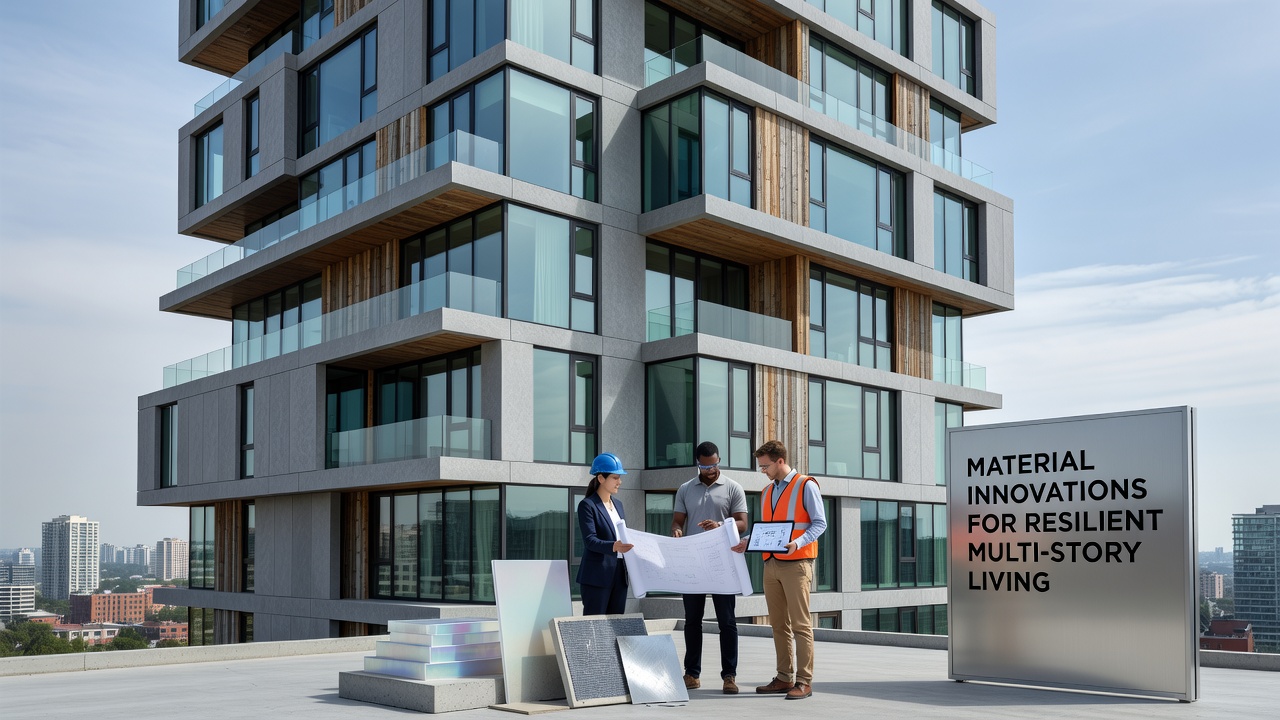
Exploring Material Innovations Driving Resilience in Multi-Story Residential Designs
Material innovations continue to reshape how multi-story residential buildings withstand environmental stresses, from seismic activity to extreme weather events. Engineers and architects integrate advanced composites, enhanced timber systems, and adaptive concretes to improve structural performance while meeting evolving safety standards. Data from industry reports indicate that these developments support longer building lifespans and reduced maintenance needs across urban developments.
Cross-Laminated Timber Systems in Seismic Zones
Cross-laminated timber, or CLT, has gained traction in multi-story residential projects because its layered construction distributes loads effectively during earthquakes. Researchers at institutions across North America and Europe have documented how CLT panels absorb and dissipate energy better than traditional framing in certain configurations. Projects in Canada demonstrate that buildings up to 12 stories using CLT cores maintain integrity under simulated high-magnitude events, according to testing protocols from national research bodies.
Connections between panels rely on specialized fasteners that allow controlled movement, which prevents brittle failure. Observers note that this approach reduces overall building weight compared to steel and concrete alternatives, which lowers foundation requirements and associated costs in dense city environments.
Self-Healing Concrete and Durability Enhancements
Self-healing concrete incorporates bacteria or encapsulated polymers that activate when cracks form, sealing them before water infiltration causes further damage. Studies from universities in the Netherlands and Australia show these mixtures extend service life by up to 50 percent in humid or coastal climates where corrosion accelerates deterioration. In multi-story residential towers, this technology applies to foundation slabs and exterior walls exposed to moisture cycles.
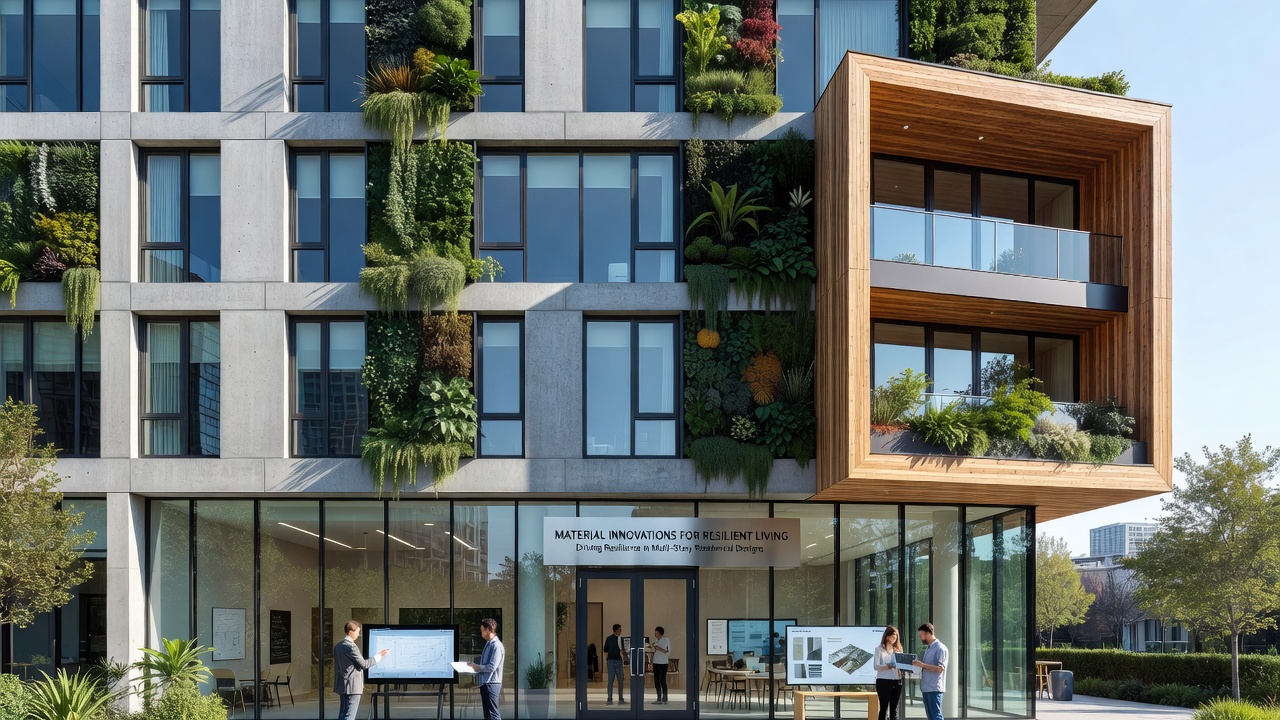
Fiber-reinforced polymers add tensile strength without adding significant mass. These materials integrate into beams and columns to resist wind loads in high-rise settings. Figures from the National Institute of Standards and Technology reveal performance gains in ductility and fatigue resistance under repeated stress cycles typical of urban wind patterns.
Shape Memory Alloys for Dynamic Load Response
Shape memory alloys return to original forms after deformation, which makes them suitable for bracing systems in earthquake-prone regions. When installed in multi-story frames, these alloys absorb shocks and restore alignment, minimizing residual damage. Testing programs in Japan and the United States confirm reduced repair times following simulated seismic events compared to conventional steel braces.
Integration happens at connection points where flexibility matters most. Builders combine these alloys with sensors that monitor strain in real time, enabling predictive maintenance schedules based on actual performance data rather than fixed intervals.
Fire-Resistant Coatings and Thermal Barriers
Intumescent coatings expand when heated to form insulating layers that protect structural steel and timber from rapid temperature rise. European Union research centers have evaluated these coatings in full-scale fire tests on multi-story mockups, showing extended evacuation windows. Residential applications often pair coatings with mineral wool insulation to meet updated energy and safety codes simultaneously.
Thermal barrier materials also address urban heat island effects by reflecting solar radiation. Data collected from buildings in Australia indicate measurable reductions in peak interior temperatures during summer months when such barriers cover large facade areas.
Integration Challenges and Regulatory Updates
Adoption rates vary by region because building codes evolve at different paces. In September 2026, several jurisdictions plan to incorporate performance-based criteria for new materials into residential design standards, which aligns testing requirements with real-world resilience metrics. Collaboration between manufacturers and certification bodies ensures consistent quality across supply chains.
Cost remains a factor, yet lifecycle analyses from academic sources demonstrate that upfront investments in resilient materials often yield savings through lower insurance premiums and fewer repairs over decades. Projects in Scandinavia illustrate this pattern with documented reductions in downtime after storms.
Conclusion
Material innovations continue to drive measurable improvements in resilience for multi-story residential designs through targeted applications of CLT, self-healing concretes, shape memory alloys, and protective coatings. Research from multiple continents supplies the evidence base that guides code updates and project specifications. As testing protocols advance, these technologies integrate more seamlessly into standard construction practices worldwide.